Vietnam’s logistics industry is rapidly gaining prominence, now ranking 43rd globally and standing strong among ASEAN nations. Contributing around 4.5 percent to GDP, the sector is expected to outpace national GDP growth by 2025. With a projected market value of US$71.88 billion by 2030, it is anticipated to grow at a 6.75 percent compound annual growth rate.
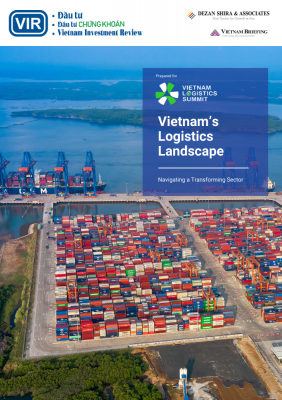
This publication, ‘Vietnam's Logistics Landscape: Navigating a Transforming Sector’, produced exclusively for Vietnam Investment Review and in collaboration with the Vietnam Logistics Summit 2024, explores how the Southeast Asian market is positioning itself as a regional logistics hub – driven by robust import-export growth and a booming e-commerce market.
Nevertheless, with growth comes complexity. The logistics sector must now adapt to a host of transformative forces, from global supply chain shifts and e-commerce demands to digitalization and sustainability imperatives. For instance, Vietnam’s engagement in regional free trade agreements is fueling demand for efficient logistics solutions, while the “China+1” strategy is drawing international companies to diversify their supply chains through Vietnam. In response, the logistics industry must continue to innovate to meet the rising demand for streamlined services and infrastructure.
Across three chapters, we examine the logistics landscape, emerging trends, and policy recommendations, with insights on leveraging public-private partnerships, digitalization, and sustainability. We hope this report will provide a clear roadmap to Vietnam’s logistics opportunities and challenges, guiding stakeholders in navigating this evolving market.
In this report:
- Chapter 1: Overview of Vietnam's Logistics Landscape
- Chapter 2: Future Trends and Opportunities in Vietnam's Logistics Sector
- Chapter 3: Policy Recommendations and Strategic Initiatives