 China Briefing
China's AI Regulation in 2026: New Laws, Rules, and Compliance Requirements
 ASEAN Briefing
How to Set Up a Company in Singapore in 5 Steps
 India Briefing
Doing Business in Maharashtra: Shops and Establishments Act Explained
 China Briefing
Trust and Fiduciary Services in Hong Kong: What Foreign Investors Need to Know
 China Briefing
Individual Liability for Commercial Corruption Under China’s Anti-Corruption Regulations
 India Briefing
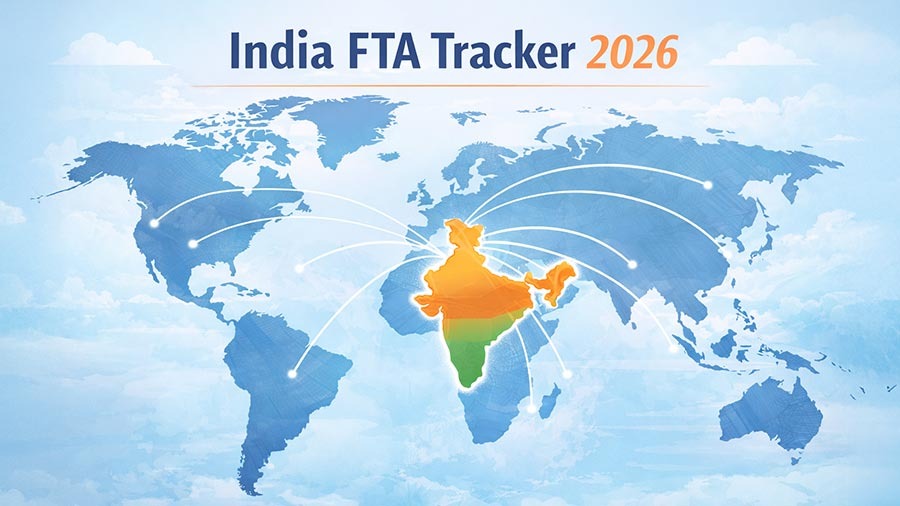
India's FTA Gambit 2026: Implementation, Expansion, and Strategic Realignment
 Vietnam Briefing
Vietnam Signs EFTA Trade Agreement: What Businesses Should Prepare For
 Vietnam Briefing
Vietnam Expands Copyright Office’s Enforcement Role: What Platforms Need to Know
 Vietnam Briefing
Vietnam Government Procurement Under Decree 374: A Guide for Foreign Bidders
 China Briefing
China’s Economy Expands 4.5% in Q3 on Back of Tech-Driven Export Boom
 Vietnam Briefing
Vietnam–Denmark Comprehensive Strategic Partnership: Key Developments and Business Implications
 ASEAN Briefing
Can a Singapore Company Carry Forward Tax Losses?