
Featured News
Stay on top of the latest business news from across Asia. Here we bring you a selection of the latest articles on economic, regulatory, tax, HR, and payroll developments published on our respective regional platforms.


This article provides a comprehensive guide for foreign invested enterprises (FIEs) on China’s high-temperature allowance system, including eligibility rules, payment methods, tax treatment, and regional variations.
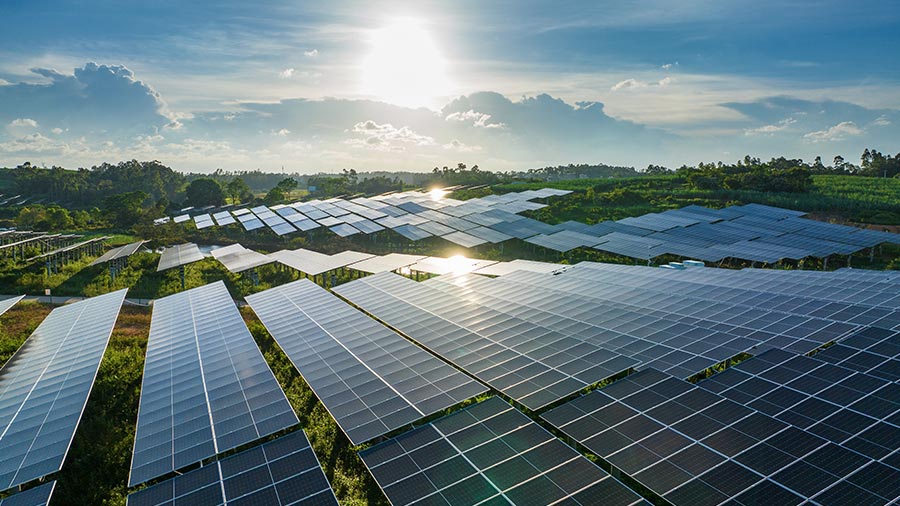
China's new renewable energy plan aims to significantly boost the country’s renewable energy consumption, setting ambitious targets for 2025 and 2030.

In this article, we provide an overview of the current accounting and compliance landscape for NGOs in China, explore the key provisions of the new NGO Accounting System, and highlight the significant changes introduced in the revision.

New guidelines outlining criteria for professional institutions to carry out personal information protection audits provide guidance for companies to choose the right auditor.

As US tariff threats resurface under Trump, Indian exporters face growing trade risks—particularly due to BRICS ties. India Briefing analyzes sector-wise impacts and how India is navigating between global alliances and evolving US trade policies.

On May 12, 2025, the Trump administration mandated pharmaceutical companies to reduce the prices of drugs sold in the US under the MFN pricing model. This could affect the Indian pharma sector, a key supplier to the US market.

Businesses planning to import or export from India must understand the stages involved in the process, the regulatory framework, and documentation required.

India is pushing for an exemption from US tariffs on steel and aluminum exports as trade officials meet for negotiations. With rising trade barriers, the move aims to protect India's metal industry.

Ho Chi Minh City (HCMC), the economic heart of Vietnam and the primary business hub of the southern region, is entering a new development phase with a revised master plan that introduces six functional urban zones.

Foreign businesses entering Vietnam's market should craft a tailored entry strategy that aligns with their objectives and leverages the booming e-commerce sector to effectively engage the country’s tech-savvy consumers.

Vietnam's 2025 job market post-Tet is set for dynamic shifts, with increased hiring and job mobility across sectors. We present key market insights from HCMC, Hanoi, and prominent industrial hubs.
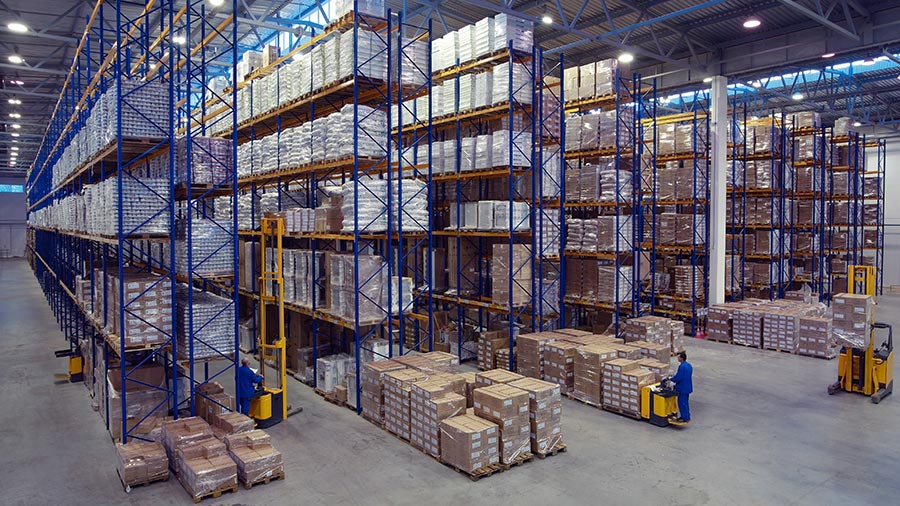
We discuss requirements for businesses interested in establishing a bonded warehouse in Vietnam, including necessary steps, documents, and regulations.
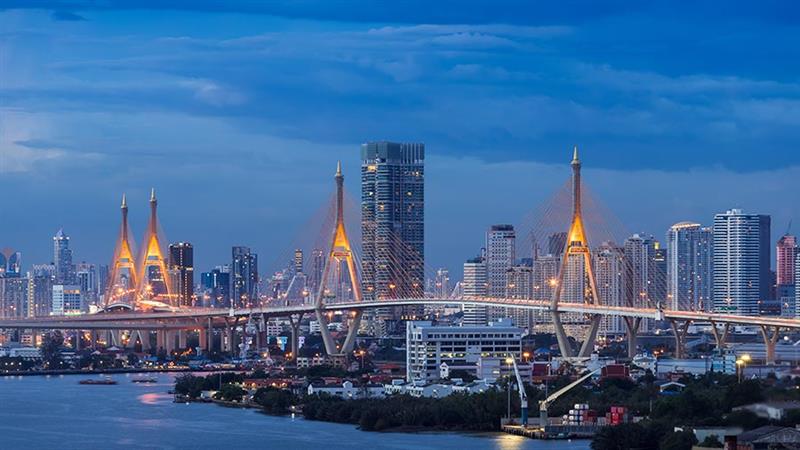
Thailand’s Foreign Business Act sets foreign ownership limits and outlines which sectors are restricted with legal entry options available.

Foreign service providers should review Thailand’s withholding tax rules, DTA benefits, and compliance steps to avoid unnecessary exposure.

Explore Singapore’s Islamic finance growth, sukuk listings, fintech, and its role as a regional hub for Shariah-compliant investment.
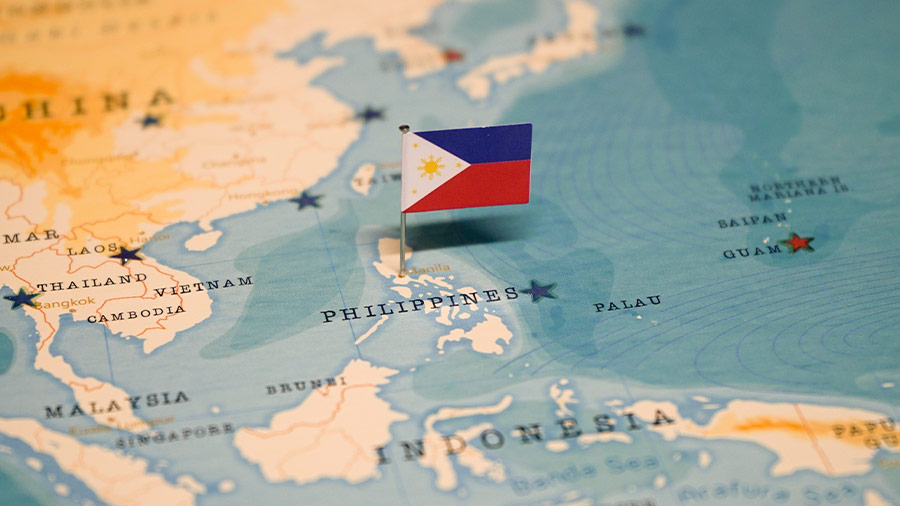
Understand what sectors are open, restricted, or closed to foreign ownership in the Philippines under current laws and incentives.