 China Briefing
Common Pre-CIT Deductions Errors in China That Trigger Tax Adjustments
 ASEAN Briefing
How Singapore’s Financial Reporting Framework Aligns with IFRS
 ASEAN Briefing
Thailand’s Foreign Business Act Reform Reduces Licensing Barriers for Selected Foreign Investors
 Vietnam Briefing
Where to Manufacture in Vietnam: Regional Clusters and Location Strategy
 Middle East Briefing
UAE Pharmaceutical Distribution Reform: What It Means for Market Access, Supply Chains, and Drug Security
 China Briefing
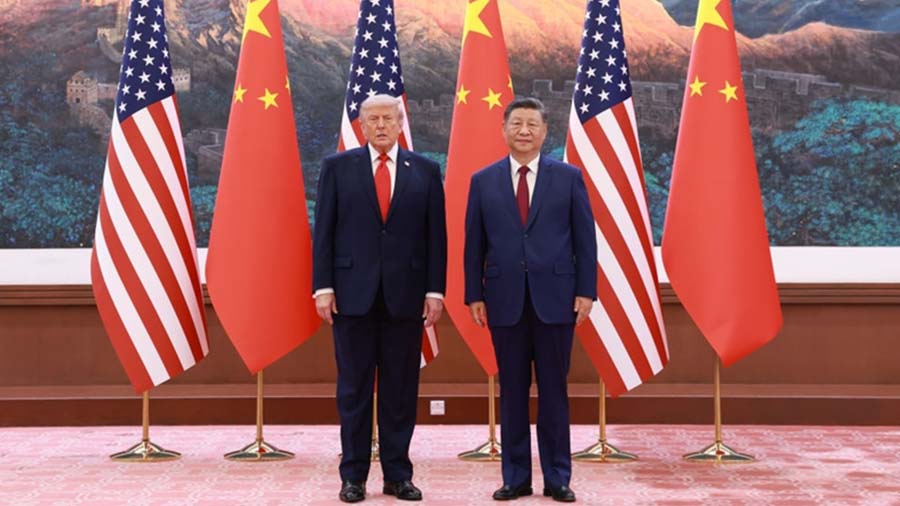
The Xi-Trump Summit: What Was Agreed—and What Was Not
 China Briefing
China-Italy Double Tax Treaty 2026: 10 Frequently Asked Questions
 Vietnam Briefing
Risks Arising From Poor Accounting Documentation Practices in Vietnam
 ASEAN Briefing
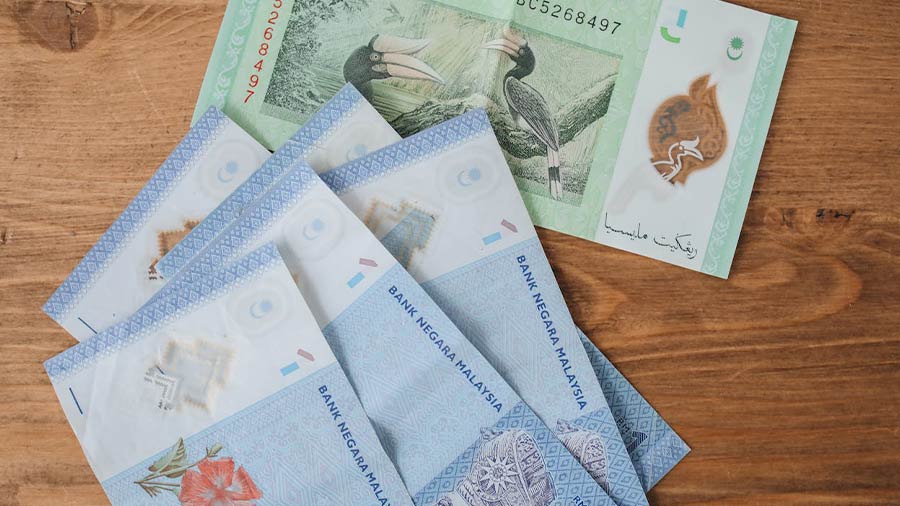
How Geopolitical Uncertainty Is Increasing Demand for Malaysian Bonds
 Middle East Briefing
Sustainable Aviation Fuels In the Middle East Aviation Sector: Insights and Opportunities
 Middle East Briefing
UAE Commits US$5 Billion to India: What the Modi Visit Means for Investment and Trade
 ASEAN Briefing
Thailand Minimum Capital Requirements for Foreign Investors: What Determines Your Investment Threshold?